Do Soundproof Windows Work? A Hong Kong Owner's Glass Selection and Buying Guide Before Replacing Windows
Living beside a main road, along a railway, or near a market — traffic and street noise day and night, still unable to sleep even with the windows shut? For many Hong Kong owners, the top reason to replace windows is not appearance but soundproofing. Yet "soundproof windows" mean many things, with glass types and frame airtightness each playing a part — choose wrong and you may spend money without gaining quiet. This guide explains how soundproof windows work, compares glass options, and covers the key selection points before you replace.
Why Do Soundproof Windows Reduce Noise? Understand the Principle First
A "soundproof window" is not a single product but the combined result of frame airtightness + glass configuration + installation quality. Noise enters mainly through two routes: the gaps between sash and frame (insufficient airtightness), and sound transmitting through the glass itself.
To reduce noise, both must be addressed. Even high-spec acoustic glass won't help if the closed frame still has gaps or the silicone rubber weatherseals have hardened or shrunk — sound slips straight through the gaps. This is why a well-sealed window type (such as a projected window) with good airtightness often outperforms simply thickening the glass.
Note: no window can be "completely soundproof" — the industry measures performance by how many decibels are reduced. A reasonable expectation is markedly weaker noise and better sleep, not total silence.
Comparing Acoustic Glass: Single, Double-Glazed, Laminated, Vacuum
Glass is the core of soundproofing. The common options in Hong Kong and their acoustic performance are roughly as follows:
| Glass type | Structure | Acoustic performance | Notes |
|---|---|---|---|
| Single glazing | One pane (commonly 5–6mm) | Weakest | Most original windows in older buildings |
| Double-glazed (insulated) | Two panes with a sealed dry-air gap | Medium, also insulates | A common choice balancing soundproofing and energy saving |
| Laminated glass | Two panes bonded with a PVB interlayer | Better — especially effective for low-to-mid frequency traffic noise | Also safer (does not shatter loose) |
| Vacuum glass | Vacuum between panes | Best, but higher cost | Suits units demanding the utmost quiet |
In short: bothered by traffic noise → consider laminated glass first; want soundproofing plus energy saving → double-glazed; ample budget, seeking maximum quiet → vacuum glass. The actual choice should be advised by a technician based on your noise source and unit condition.
3 Key Points When Choosing a Soundproof Window
Beyond the glass, the following three points equally determine the result — note them before replacing:
In other words, a soundproof window is an integrated job of "glass + frame + installation", not just buying one thick pane of glass.
A Real-Life Scenario: A Roadside Bedroom in Prince Edward
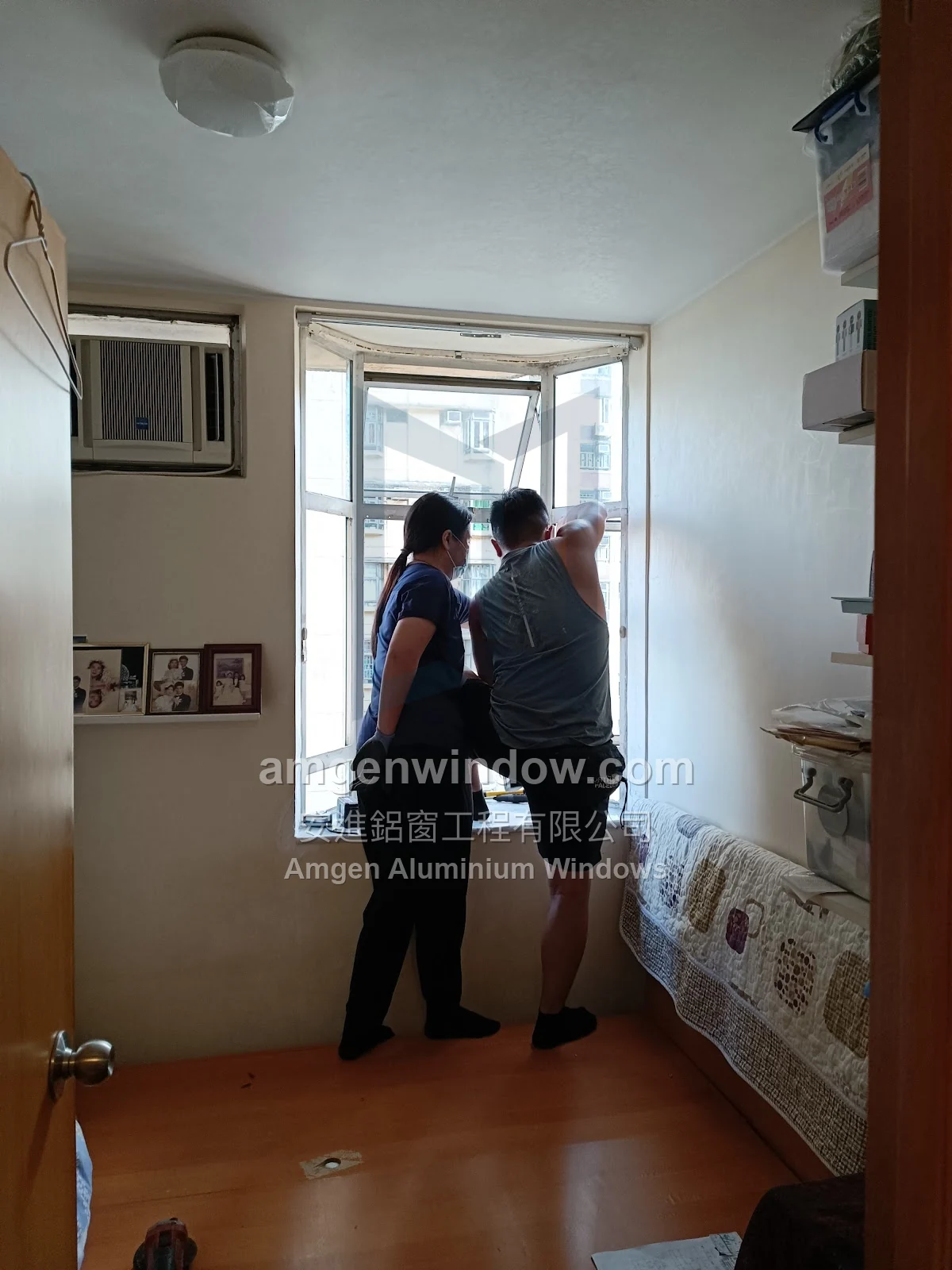
Living in a unit facing a busy road in Prince Edward, Ms Chan had long been troubled by car and bus engine noise, sleeping lightly and waking easily. Her original single-glazed sliding window let street noise through clearly even when shut, and the silicone rubber weatherseals had hardened, leaving obvious gaps along the window edge.
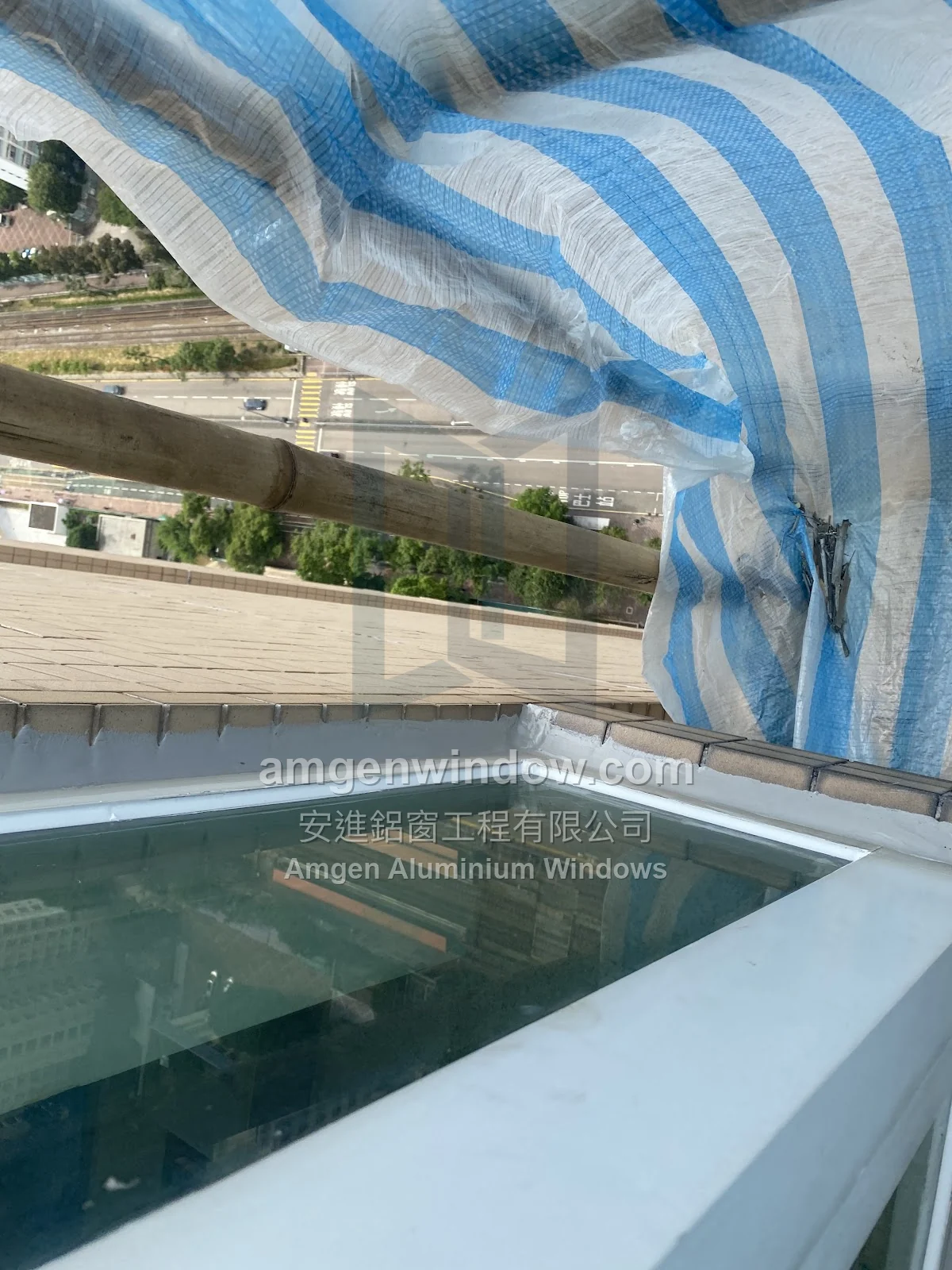
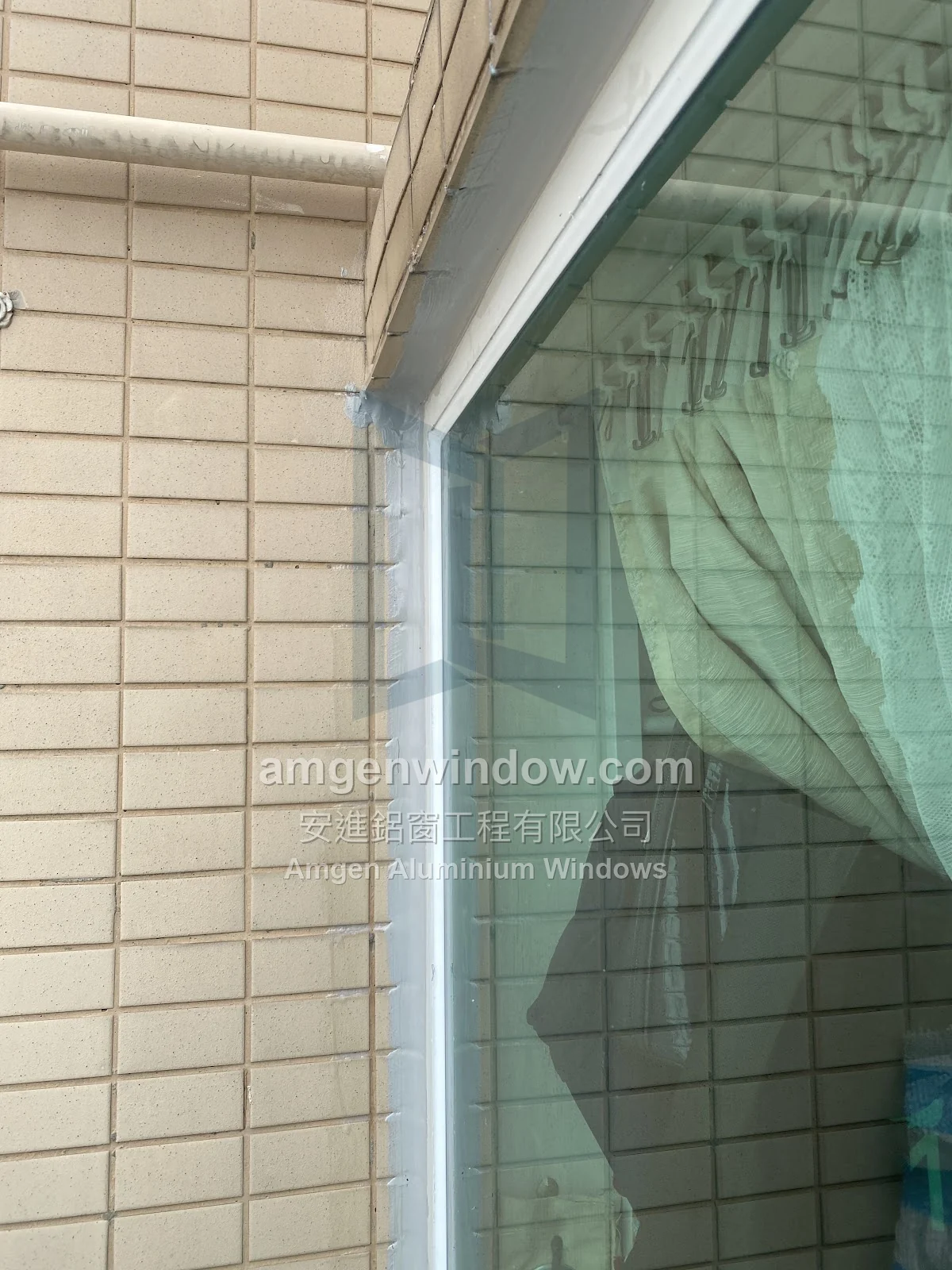
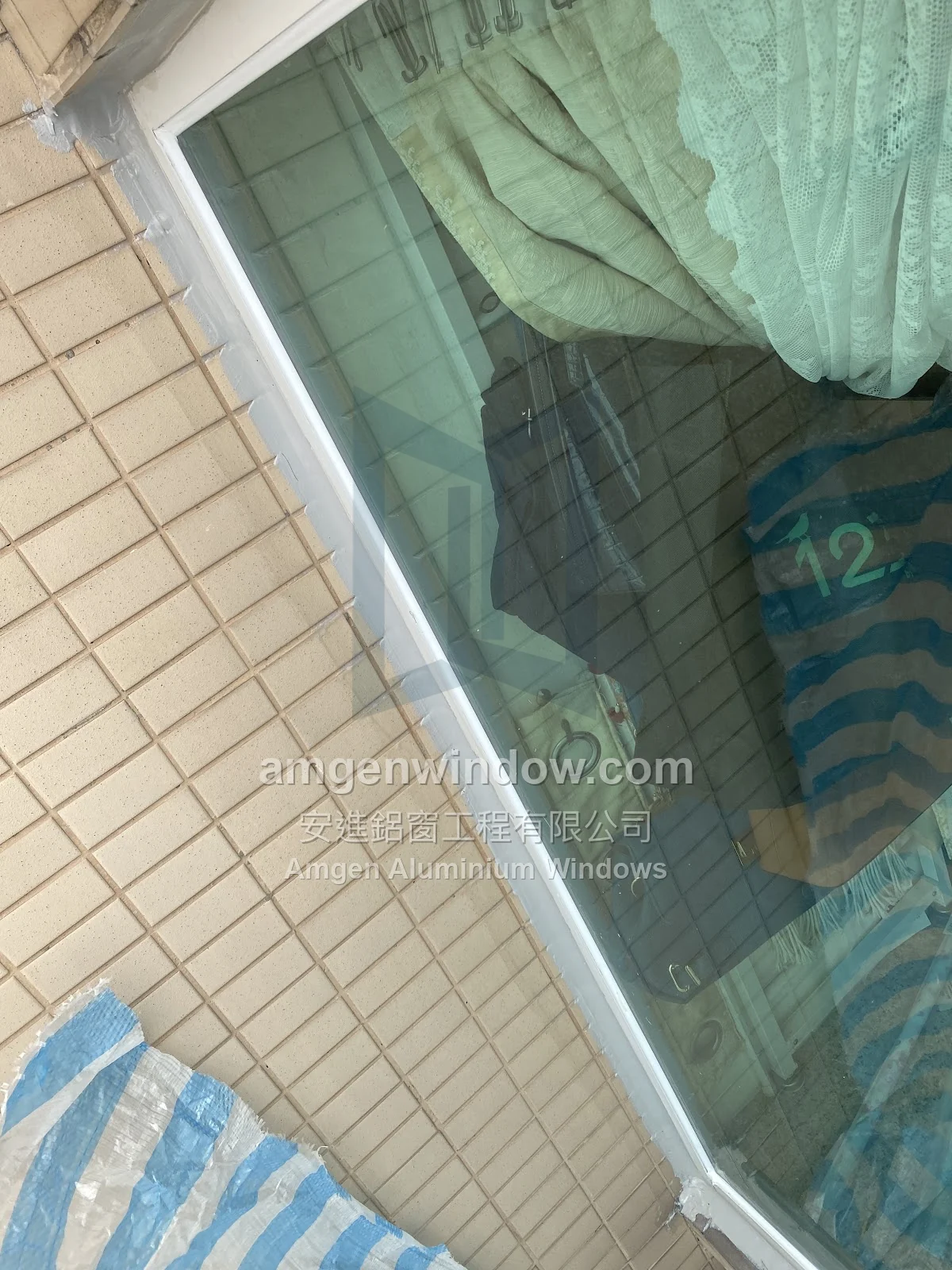
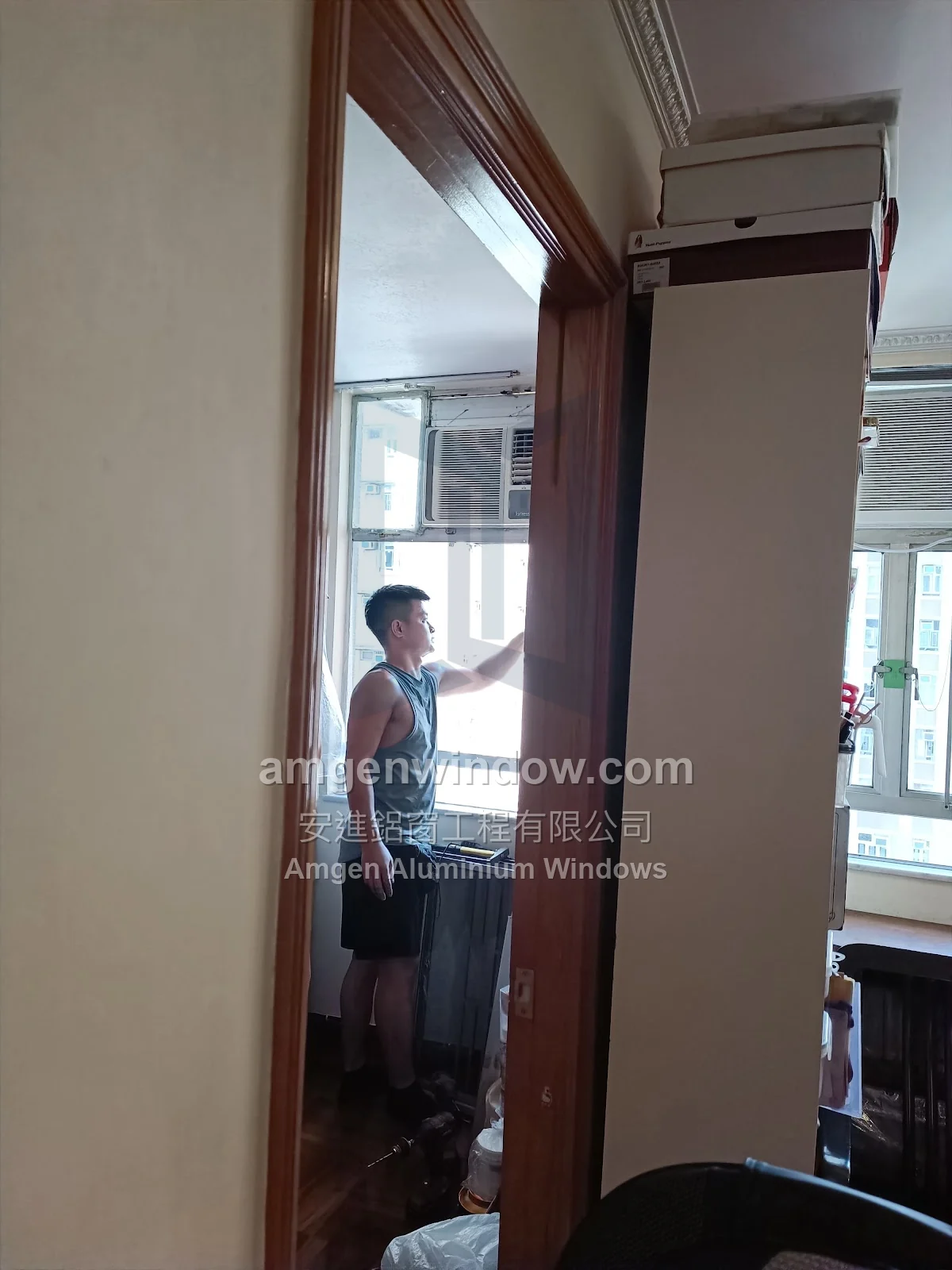
After an on-site assessment, Amgen's technician recommended replacing the bedroom window with a projected window fitted with double-glazed glass to improve airtightness and soundproofing, and re-sealed the frame perimeter with fresh silicone. After completion, Ms Chan reported that night-time traffic noise was noticeably weaker and her sleep improved considerably. This shows the point: choosing the right glass for the problem, together with airtightness and installation, is the key to soundproofing.
Frequently Asked Questions
Can a soundproof window completely block out noise?
No. Any window only "reduces noise" rather than achieving "complete soundproofing", with performance measured in decibels reduced. With suitable glass, good airtightness and proper installation, noise can be markedly weakened and sleep improved, but the interior will not become totally silent.
Which is better for soundproofing — double-glazed or laminated glass?
Each has its strengths. Double-glazed glass offers medium soundproofing plus heat insulation and energy saving; laminated glass is especially effective against low-to-mid frequency traffic noise (such as car and bus engines) and also resists shattering loose. If road noise is the main concern, laminated glass is usually more suitable — though a technician should still assess your situation.
Does replacing windows for soundproofing require a Buildings Department declaration?
If it involves replacing the entire aluminium window unit — even solely to improve soundproofing — it remains Class II Minor Works and must comply with Class II minor works declaration, supervised by a licensed contractor. Amgen (MWC 316/2021) can handle the entire declaration process on the owner's behalf.
Conclusion: Choose the Right Glass and Window Type for a Quieter Home
The effectiveness of a soundproof window depends on the combination of glass, frame airtightness and installation quality — not on one thick pane alone. Understand your noise source before replacing, then let a professional advise on the right fix so your money is well spent.
Before replacing, see our complete aluminium window replacement cost guide to plan your budget, or improve both soundproofing and waterproofing in one go through Amgen's complete renovation works. Amgen Aluminium Windows holds licence MWC 316/2021 and offers free on-site assessments — our technicians analyse the noise source on site and recommend a suitable soundproofing solution. WhatsApp 6586 3435 to enquire.